Why Frequency Matters More Than Intensity
Most practice managers in Metairie and New Orleans ask us the same question during a walkthrough: how often does this place actually need to be cleaned? The honest answer is that it depends on the room. An exam room that sees twenty patients a day has different needs than a billing office that sees none.
A medical office is really four or five different environments under one roof. Exam rooms, dental operatories, waiting areas, restrooms, and administrative space each carry a different level of risk. Treating them all the same means you either overspend on low-risk areas or underclean the rooms that matter.
This guide breaks down the schedule we recommend for each zone. It also covers the split between what your clinical staff handles between patients and what a medical and dental office cleaning crew handles after hours. Use it as a starting point when you build or review your own cleaning plan.
Daily Tasks in Exam Rooms & Operatories
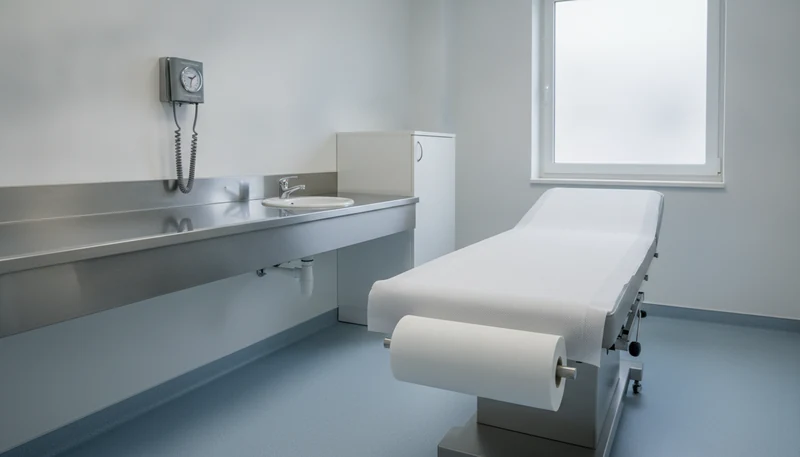
Every exam room and operatory needs attention every single day the practice is open. Patients touch the exam table, the chair arms, the door handle, and the counter edge. Staff touch the light switches, cabinet pulls, sink handles, and computer keyboards dozens of times per shift.
Here is the daily list we run in clinical rooms:
Disinfect all high-touch surfaces - door handles, light switches, chair arms, exam table rails, counters, and faucet handles.
Empty and reline general waste bins - regular trash only, never the red bags.
Clean and disinfect sinks - including the backsplash and the faucet base where splash collects.
Damp mop hard floors - with a disinfectant cleaner, working from the far corner toward the door.
Spot clean walls and cabinet fronts - anywhere a glove, a hand, or a splash left a mark.
Restock paper towels, soap, and hand sanitizer - an empty dispenser in a clinical room is a compliance problem.
Dental operatories add a few items. The chair base, the overhead light handles, and the bracket table get touched constantly and collect aerosol residue. We wipe those down with a hospital-grade disinfectant and let it sit for the full dwell time before the next step.
Waiting rooms get a daily pass as well. That means chair arms, the check-in counter, the pen cup, door handles, any toys or magazines, and the floor. The waiting room is the one space every patient and every family member touches, so it cannot be skipped on a slow day.
Weekly & Monthly Cleaning in Metairie Medical Offices
Daily disinfection keeps the risk down. Weekly and monthly work keeps the building from slowly falling behind. The two schedules work together, and skipping the deeper tasks is how a practice ends up with dust on the vents and grime in the grout.
Weekly tasks across the practice:
Detail dust all horizontal surfaces above shoulder height, including shelving, cabinet tops, and picture frames. Vacuum upholstered waiting room chairs and clean the floor under them. Clean interior glass, including the reception window and any glass partitions.
Scrub restroom floors and grout lines, not just mop them. Wipe down the fronts of all filing cabinets, printers, and break room appliances.
Monthly tasks:
Clean HVAC supply and return vent covers. Gulf humidity turns dust on a vent into a gray fuzz within weeks. Machine scrub or burnish hard floors depending on the finish. Wash the exterior of light fixtures and clean out the lens covers.
Pull waiting room furniture away from the walls and clean the baseboards behind it. Deep clean the break room refrigerator and microwave.
Practices along the Metairie medical corridor near East Jefferson General Hospital tend to run long clinic hours, so we schedule the weekly and monthly work for evenings. Our crews handling commercial cleaning in Metairie typically arrive after the last patient leaves and finish before the front desk opens.
High-Touch Disinfection & Dwell Times
The single most common mistake we see in medical offices is wiping a surface and moving on immediately. Every EPA-registered disinfectant has a contact time printed on the label. That number is the minimum time the surface must stay visibly wet for the product to work. Wipe it dry too early and you have cleaned the surface, but you have not disinfected it.
Dwell times run anywhere from thirty seconds to ten minutes depending on the product and the pathogen. Our crews apply disinfectant to an entire room first, then come back and wipe in the same order. That way every surface hits its full contact time without anyone standing around waiting.
High-touch surfaces in a waiting room need a different cadence than the rest of the space. The check-in counter, the pen cup, the clipboard, the chair arms, and the restroom door handle get hit every hour during flu season. We recommend that front desk staff wipe those between patient waves, and that the overnight crew runs a full disinfecting service pass every night.
Restrooms in a medical office deserve their own line item. Patients who are already sick use them, and every fixture is a high-touch surface. Our restroom cleaning and sanitation routine covers the toilet, the flush handle, the stall latch, the faucet, the soap dispenser, and the door pull on every visit.
What Your Staff Handles & What the Cleaning Crew Handles
Clinical staff own the turnover between patients. That means wiping the exam table, changing the paper, disinfecting the chair arms and counters, and handling anything that touched a patient. They also own all sharps containers and regulated medical waste.
Red bag waste, sharps, and pharmaceutical waste stay with your licensed medical waste hauler. A janitorial crew should never touch those, and any vendor who offers to is a red flag. The same goes for anything inside a sterilization area or a lab. Those spaces are cleaned by the people trained to work in them.
The cleaning crew owns everything that happens after the last patient leaves. That includes the full disinfection pass, floors, restrooms, waiting room, trash, dusting, glass, and the weekly and monthly deep work. A good crew also reports what they see: a leaking faucet, a torn exam table cover, or a dispenser that keeps running dry.
Write the split down. A one-page document that lists who does what, and when, removes the arguments and closes the gaps. We review this document with every new medical client before the first shift. The Signal Enterprises story explains why we run medical accounts this way.
Flu & Allergy Season Along the New Orleans Medical Corridors
South Louisiana gives medical offices two extra busy stretches every year. Flu season runs from late fall through February, and it overlaps with Mardi Gras crowds in New Orleans. Then spring allergy season arrives, with live oak and pine pollen coating every horizontal surface from March through May.
During those months we recommend adding a midday disinfection pass in the waiting room on top of the nightly one. Pollen also means more frequent entry mat cleaning and more frequent dusting of vents and window sills. The dust load in April is nothing like the dust load in October.
Practices near the downtown medical district, along Tulane Avenue, and around the Veterans Boulevard corridor in Metairie see the heaviest volume. If your patient count spikes, your cleaning frequency should spike with it. Reach out to request a free quote for medical office cleaning and we will build a schedule that matches your actual patient load.
Ready to put a cleaning schedule in writing for your practice? Call (504) 669-6356 or send us your clinic's hours and we will set up a walkthrough between patient blocks.
Frequently Asked Questions
Do exam rooms need to be disinfected after every patient?
Yes, but that is a clinical staff task, not a janitorial one. Your medical assistants wipe the table, chair arms, and counters between patients using the practice's approved disinfectant. The overnight cleaning crew then does a complete floor-to-counter disinfection of every exam room so the next morning starts fresh. The two layers together are what keep infection risk low.
Who handles the red bag waste and sharps containers?
Your licensed medical waste hauler, and only them. Regulated medical waste, sharps, and pharmaceutical waste are handled under separate rules with their own chain of custody. Our crews empty general trash and recycling in clinical rooms, but we never open, move, or replace red bag containers or sharps boxes. Keeping that line clear protects your staff, our crew, and your compliance record.
How long does a disinfectant need to sit on a surface?
Long enough to stay visibly wet for the contact time printed on the product label. Most hospital-grade disinfectants need between one and ten minutes depending on the pathogen being targeted. Our crews apply the product to every surface in the room before wiping anything, so each surface hits its full dwell time. Wiping too soon is the most common way a clean-looking surface stays contaminated.
Can you clean a medical office after hours in Metairie?
Yes. Most of our medical and dental accounts in Jefferson Parish are cleaned in the evening after the last patient leaves. We coordinate access, alarm codes, and any rooms that need to stay locked before the first shift. Tell us your clinic's hours and we will set a schedule that never overlaps with patient care.